
Latex Halloween Mask Realistic: 7 Steps to Stunning Realism
Crafting the Unsettling: Your Guide to a Truly Realistic Latex Halloween Mask
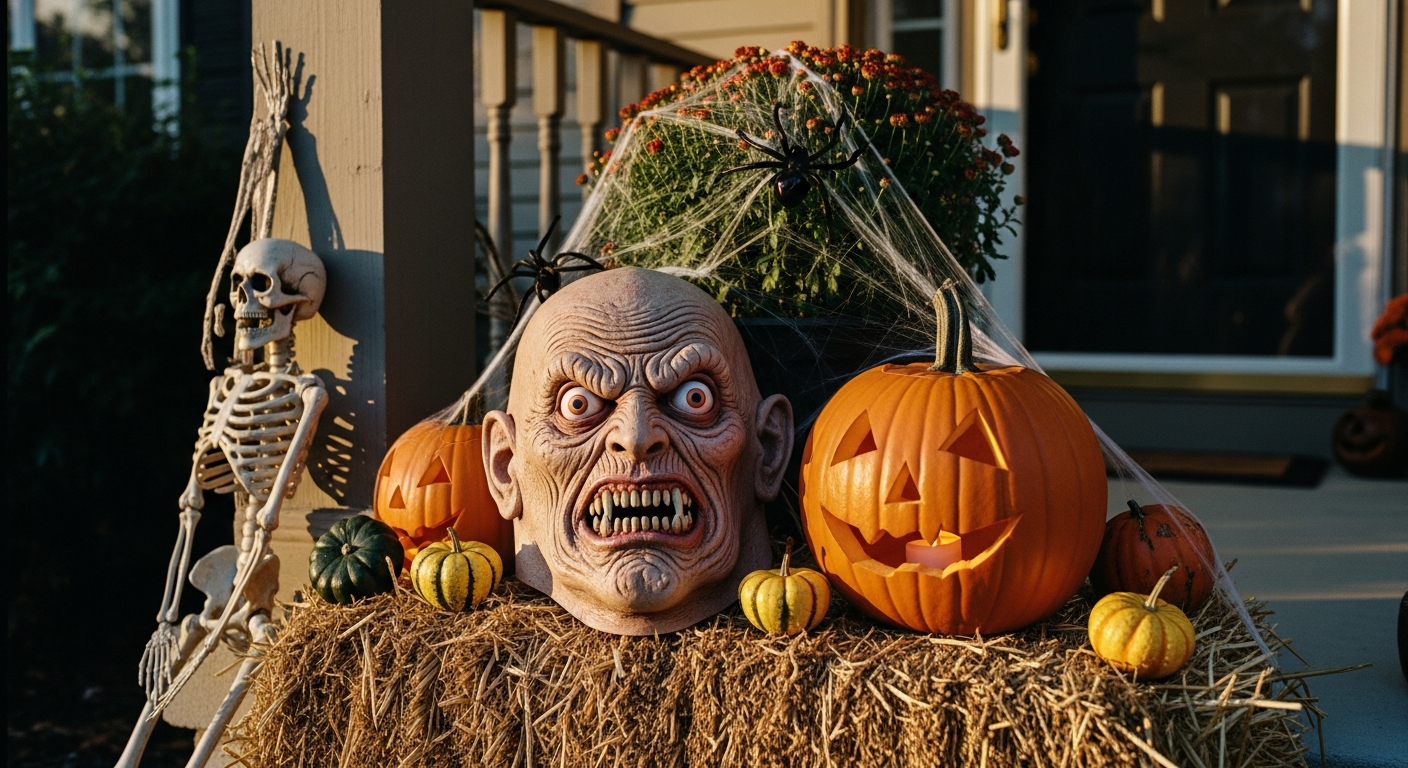
There’s a profound difference between a costume accessory and a truly lifelike transformation. Imagine a latex Halloween mask realistic enough to make someone do a double-take, blurring the line between fantasy and terrifying reality. This level of stunning realism is an art form, moving beyond simple crafting to embrace advanced techniques in sculpting, molding, and finishing.
Achieving such hyperrealism demands more than just enthusiasm; it requires a deep understanding of materials, anatomical precision, and meticulous execution at every stage. If you’ve ever dreamt of crafting a mask that doesn’t just cover your face but completely transforms your identity, this guide will unlock the professional secrets behind creating truly unforgettable pieces.
Let’s delve into the seven essential steps that elevate a good mask to an astonishing, lifelike creation. You’ll gain the knowledge and techniques to bring your most chilling visions to life, ensuring your next Halloween creation leaves an indelible, unsettling impression.
Creating a truly realistic latex Halloween mask is an art form that goes far beyond simple crafting. It’s about understanding anatomy, mastering materials, and employing advanced techniques to transform a concept into a hyperreal creation that will captivate and perhaps even terrify. If you’ve ever dreamed of crafting a mask so lifelike it blurs the line between fantasy and reality, these key takeaways outline the essential steps and insights you’ll need to achieve stunning realism.
- Select Superior Materials: Begin with high-quality mask latex and appropriate sculpting clays, as the foundational materials dictate the mask’s final flexibility, durability, and ability to hold fine detail for ultimate realism.
- Master Anatomical Sculpting: Focus on intricate anatomical accuracy and nuanced expressions in your initial sculpt to lay the groundwork for a truly lifelike mask, capturing the subtle contours and emotional depth that define realism.
- Craft Precision Molds: Develop multi-part molds with meticulous attention to detail, ensuring every crease, wrinkle, and texture from your original sculpt is faithfully transferred for exact reproduction in latex.
- Optimize Latex Casting & Curing: Pour and cure your latex carefully to achieve uniform thickness, optimal flexibility, and strength, preventing common issues like bubbles or weak spots that compromise the mask’s realistic feel and longevity.
- Apply Advanced Painting Techniques: Elevate realism through layered painting, using subtle color variations, washes, and dry-brushing to mimic authentic skin tones, blemishes, and varied textures.
- Integrate Hyperrealistic Features: Add lifelike eyes, meticulously implanted hair, and other prosthetic elements with precision to push your mask beyond realism into the realm of hyperrealism, creating a truly unsettling effect.
- Troubleshoot Like a Pro: Prepare to address common challenges such as tears, inconsistent drying, or paint issues with practical solutions, ensuring your efforts culminate in a flawless, professional-grade mask.
Embarking on the journey of creating a highly realistic latex Halloween mask is a rewarding endeavor that demands skill, patience, and attention to detail. In the following sections, we will delve into each of these critical steps, providing you with the comprehensive, advanced, and step-by-step guidance needed to bring your most chilling visions to life.
The Foundation: Understanding Latex Mask Materials for Ultimate Realism
Why Material Quality Dictates a Realistic Latex Mask
Crafting a truly professional-grade realistic latex mask begins with an uncompromising commitment to high-quality materials. Inferior products can lead to masks that are stiff, prone to tearing, and incapable of holding fine details, ultimately detracting from the desired illusion.
The choice of materials directly impacts the mask’s flexibility, its ability to capture intricate textures, and its overall longevity. A superior realistic latex mask demands materials that can perform at an advanced level, ensuring your hard work translates into stunning realism.
Choosing the Best Liquid Latex for Mask Making
Selecting the right liquid latex is paramount for achieving a truly realistic latex mask. Not all liquid latex products are created equal; professional mask makers often opt for specialized molding or mask-making grades, which offer superior elasticity and detail retention compared to craft store varieties.
Look for liquid latex with a high solids content, as this contributes to greater strength and flexibility in the cured rubber. Excellent elasticity is crucial for a mask that moves subtly with the wearer’s expressions, while strong adhesion ensures layers bond securely without delamination. This foundational choice is key for a durable and visually striking latex halloween mask realistic.
Essential Sculpting Clays and Tools for Detailed Work
The journey to a realistic latex mask starts with a meticulous sculpt, and for this, choosing the right clay is essential. Oil-based clays, specifically sulfur-free varieties, are highly recommended because sulfur can inhibit the curing of silicone mold-making materials later in the process.
These clays offer excellent workability, maintaining their pliability over long sculpting sessions and holding sharp details beautifully. Alongside your chosen clay, a diverse set of sculpting tools, ranging from loop tools for rough shaping to dental tools and silicone shapers for minute textures, will empower you to craft every pore and wrinkle, truly enhancing your custom realistic latex mask.
Step 1: Mastering Anatomical Sculpting for Lifelike Expressions
Laying the Groundwork: Why Anatomy is Crucial for Realistic Mask Sculpting
Achieving a compelling realistic latex mask hinges on a deep understanding of anatomy. Without a foundational knowledge of underlying bone structure, muscle groups, and how skin drapes and folds, your sculpt risks looking flat or unconvincing. This is the bedrock of professional latex mask making.
Dedicate time to studying reference materials, whether it’s human anatomy books, creature concept art, or even live models. This crucial step ensures that every feature you sculpt contributes to a believable and unsettling realism, making your realistic latex mask truly stand out.
Techniques for Capturing Subtle Contours and Emotional Depth (Sculpting Realistic Features for Latex Masks)
Elevating a basic sculpt to a truly realistic latex mask requires advanced sculpting techniques. Focus on the subtle contours of facial features: the delicate curve of an eyelid, the slight bulge of a nasal bone, and the precise definition of lips. These small details contribute significantly to lifelike anatomical accuracy.
To infuse emotional depth, study how expressions alter facial muscles and skin. By meticulously crafting deep furrows for anger, taut skin for fear, or relaxed folds for sadness, you can imbue your latex halloween mask realistic with a powerful narrative. This is the essence of professional mask sculpting techniques.
Planning Your Design: From Concept Art to Clay
Before touching the clay, a well-defined concept is essential for any realistic latex mask. Begin with detailed concept sketches or gather extensive reference images that clearly articulate your vision, including front, side, and three-quarter views. This serves as your blueprint for a custom realistic latex mask.
Next, carefully consider scaling and proportioning your sculpt to ensure it will realistically fit the intended wearer without distortion. A proper armature, often made from wire and foam, provides a stable base and helps maintain accurate dimensions throughout the intensive sculpting process, ensuring the final latex halloween mask realistic maintains its intended form.
Step 2: Crafting Precision Molds for Exact Reproduction
The Critical Role of a Detailed Mask Mold in Achieving Realism
A flawless mold is the bridge between your intricate sculpt and a perfectly reproduced realistic latex mask. Any imperfection in the mold, no matter how small, will be faithfully replicated in every latex casting, compromising the final product’s professional appearance. This stage is absolutely vital for a high-quality latex halloween mask realistic.
The quality of your mold directly dictates how well the texture, form, and every minuscule detail from your original sculpt are transferred. Investing time and precision in mold making ensures that the supple flexibility and subtle nuances you painstakingly sculpted are preserved, yielding an exceptional realistic latex mask that rivals commercial pieces.
Multi-Part Mold Construction: Plaster, Silicone, or Fiberglass?
For complex mask shapes, constructing a multi-part mold is often necessary to avoid undercuts and ensure easy demolding. A common approach involves creating a rigid outer shell of plaster or fiberglass over a silicone inner mold, which captures the fine details of your realistic latex mask sculpt.
Plaster molds are economical and robust but can be heavy and less forgiving with intricate details. Silicone molds offer unparalleled detail capture and flexibility, making them ideal for highly textured surfaces, though they require a rigid mother mold. Fiberglass, on the other hand, provides a lightweight and extremely durable shell, perfect for repeated castings when making realistic halloween masks.
Capturing Every Crease and Wrinkle: Advanced Mold-Making Tips
To ensure your mold captures every nuance of your realistic latex mask sculpt, meticulous technique is paramount. When applying plaster or silicone, begin by stippling the material into every crevice with a brush to force out air bubbles, which can otherwise create imperfections on the latex surface. This attention to detail is crucial for a professional latex mask making finish.
Proper application of a mold release agent is equally critical; ensure even, thorough coverage to prevent your mold from sticking to the sculpt and to facilitate damage-free separation. This meticulous approach guarantees that the texture and form of your finished latex halloween mask realistic faithfully reflect your original artistic vision.
Step 3: Optimizing Latex Casting and Curing for Durability and Feel
Pouring Perfection: Achieving Uniform Thickness and Eliminating Bubbles
The casting phase is where your realistic latex mask truly begins to take shape. Start by pouring a small amount of liquid latex into the mold, ensuring it coats every internal surface, especially intricate details. This initial thin layer helps prevent air bubbles from becoming trapped, which can compromise the final mask’s appearance.
Continuously rotate and slosh the latex within the mold, gradually building up layers to achieve a uniform thickness throughout the entire mask. This technique, often repeated over several coats, prevents thin spots that are prone to tearing and ensures a robust, consistent latex halloween mask realistic with a professional feel. Remember, patience here will pay dividends in the mask’s quality.
The Art of Curing: Ensuring Optimal Flexibility and Strength
Curing liquid latex properly is a critical step in creating a durable and flexible realistic latex mask. The drying process involves the evaporation of water, and insufficient curing can lead to a mask that remains tacky, brittle, or prone to tearing, directly affecting its longevity and wearability. Proper drying is crucial for making realistic halloween masks.
Ensure your curing environment has good ventilation to facilitate moisture escape, and maintain a consistent temperature and moderate humidity. Avoid extreme heat, which can cause premature drying on the surface while trapping moisture inside, leading to a compromised, less flexible latex halloween mask realistic. Slow and steady curing yields the best results, ensuring strength and a natural, pliable feel.
Common Casting Challenges and How to Avoid Them
Even with careful technique, challenges can arise during latex casting for your realistic latex mask. Thin spots often occur in areas where latex doesn’t fully coat, or drains too quickly; address this by applying extra layers with a brush in problematic zones. Inconsistent curing can result from uneven wall thickness or poor ventilation, requiring a reassessment of your pouring technique and drying environment.
Bubbles within the latex are a common frustration but can be minimized by carefully brushing the initial latex layer into the mold and ensuring a slow, steady pour. For a durable latex halloween mask realistic, identify stress points like around the eye holes or mouth and reinforce them with extra layers of latex or strips of latex-saturated fabric, significantly extending the mask’s lifespan.
Step 4: Applying Advanced Painting Techniques for Authentic Skin Tones
Beyond Base Coats: The Power of Layered Painting for Realistic Skin Tones
Achieving truly realistic skin tones on a latex mask goes far beyond a single base coat. Professional artists understand that natural skin is composed of multiple translucent layers, and mimicking this complexity is key to a lifelike latex halloween mask realistic. Employ a layered approach using airbrushing or subtle brushwork to build depth and variation.
Start with an opaque base color, then apply thin washes and glazes of contrasting or complementary tones to suggest underlying blood vessels, subtle bruising, or sallow areas. These translucent layers allow light to interact with the different pigments, creating a vibrant, three-dimensional effect that gives your realistic latex mask an astonishing depth akin to living tissue. This is a crucial step in making realistic halloween masks.
Washes, Dry-Brushing, and Stippling: Mimicking Natural Blemishes and Textures (Horror Mask Painting Effects)
To truly elevate your realistic latex mask, embrace techniques that add character and imperfections. Washes, thin applications of diluted paint, can settle into crevices to emphasize wrinkles and define contours, adding instant age or grittiness. Dry-brushing, using a minimal amount of paint on a stiff brush, highlights raised textures like pores or rough skin, providing a tactile realism.
Stippling, the application of paint in small dots, is excellent for creating freckles, moles, or subtle discoloration, breaking up uniform skin tones for a more organic look. For special effects mask making, these methods also excel at depicting bruising, decay, or other horror mask painting effects, transforming your latex halloween mask realistic into a compelling narrative piece.
Sealing and Protecting Your Painted Mask for Longevity
After painstakingly applying detailed paintwork, safeguarding your realistic latex mask is crucial for its longevity and appearance. Choosing the correct sealant prevents paint chipping, fading from UV exposure, and the dreaded stickiness that can plague uncured latex or incompatible paints. A flexible, latex-compatible clear coat is indispensable for a durable latex halloween mask realistic.
Matte finishes offer a natural, skin-like appearance, perfect for a dry, aged corpse or an organic creature. Conversely, strategic application of gloss finishes can simulate sweat, slime, or fresh blood, adding a disturbing wet look to specific areas. This final protective layer is essential for preserving the intricate details and vibrant colors of your masterpiece, ensuring your latex halloween mask realistic endures for many seasons.
Step 5: Integrating Hyperrealistic Features for Unsettling Effects
The Eyes Have It: Crafting Lifelike Eyeballs and Placement
The eyes are the windows to the soul, and for a realistic latex mask, they are paramount for conveying life or an unsettling lifelessness. Sourcing high-quality prosthetic eyes, often made from acrylic, is ideal for achieving maximum realism. Consider their size, color, and pupil shape carefully to match your character’s personality, whether it’s human, creature, or undead.
The true art lies in seamlessly embedding these eyes into the mask. Sculpt the eye sockets with precision, ensuring they hold the prosthetics snugly and allow them to “gaze” convincingly. Proper depth and angle create the illusion of genuine vision, transforming a static sculpt into a truly captivating, and often terrifying, latex halloween mask realistic.
The Art of Hair Implantation: Wigs, Punching, and Blending
Hair adds another crucial layer of realism to any realistic latex mask. While pre-made wigs offer a quick solution, for truly professional results, consider hand-punching individual hair strands. This technique, using a ventilation needle, allows for precise placement of eyebrows, facial hair, or a sparse hairline, mimicking natural hair growth patterns.
When selecting hair materials, yak hair and crepe wool are excellent for their texture and ability to be styled, while synthetic fibers offer a wide range of colors and durability. Blending different shades and textures of hair can create a richer, more organic look, ensuring your latex halloween mask realistic achieves unparalleled realism from every angle.
Adding Prosthetic Elements: Teeth, Scarring, and Other Details
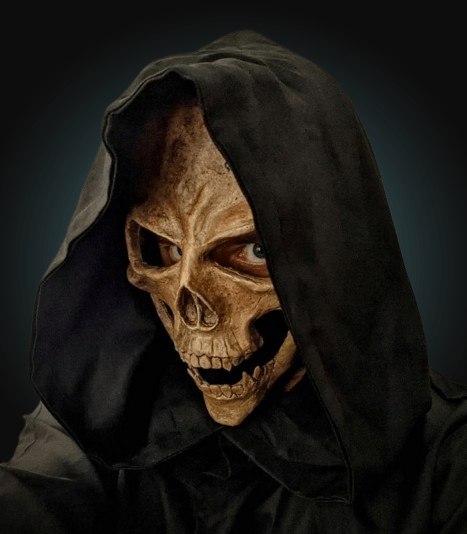
Beyond eyes and hair, integrating additional prosthetic elements dramatically enhances the hyperrealism of your latex halloween mask realistic. For open-mouthed designs, meticulously sculpted or sourced realistic teeth and gums can be embedded, transforming a simple expression into a menacing snarl or a decayed grin. Pay attention to dental imperfections for added character.
Furthermore, consider incorporating 3D elements like horns, protruding bones, gruesome wounds, or intricate scales directly onto the mask. These elements, carefully sculpted and painted, not only add textural interest but also deepen the character’s backstory, making your realistic latex mask a more immersive and unsettling creation. This is where special effects mask making truly shines.
Step 6: Elevating Realism with Finishing Touches and Practical Effects
Weathering and Distress: Telling a Story with Your Mask
A pristine realistic latex mask can be impressive, but a weathered one tells a story. Applying weathering techniques adds a crucial layer of authenticity, giving your creation a history and context. Strategically placed dirt, grime, and blood effects can suggest age, conflict, or a specific environment, transforming your latex halloween mask realistic from a prop into a character.
Use fine pigments and powders to create realistic dust, ash, or subtle decay, particularly in recessed areas or along edges that would naturally accumulate such elements. Think about the mask’s narrative: has it crawled from a grave, survived a battle, or lurked in a forgotten attic? Each detail contributes to the immersive realism, making the latex halloween mask realistic truly convincing.
Glazing and Glossing: Mimicking Moisture and Organic Textures
Strategic use of glazes and gloss varnishes can dramatically enhance the organic realism of your latex halloween mask realistic. A touch of gloss around the eyes, lips, or within open wounds instantly simulates bodily fluids like sweat, drool, or fresh blood, injecting a visceral and unsettling quality. This is particularly effective for horror mask painting effects.
Experiment with varying levels of sheen across different textures. A high gloss on teeth or eyes can make them pop with a wet, reflective quality, while a subtle satin finish on skin areas can suggest an unhealthy sheen or clamminess. These thoughtful applications elevate the overall realism, giving your latex halloween mask realistic an unnerving, almost living quality.
Final Adjustments: Ensuring a Comfortable and Convincing Fit (Custom Realistic Latex Mask)
The final step for any truly realistic latex mask is ensuring a seamless, comfortable, and convincing fit. Carefully trim any excess latex around the edges, particularly around the neck and jawline, to allow for natural movement and prevent irritation. A well-fitted mask moves with the wearer, enhancing the illusion.
Add strategically placed padding inside the mask, using foam or soft fabric, to ensure it sits snugly and maintains its sculpted shape on the wearer’s face. Adjustable elastic straps or discreet closures can also help secure the custom realistic latex mask, preventing slippage and allowing the performer to embody the character fully, making realistic halloween masks truly wearable.
Step 7: Troubleshooting Like a Pro: Common Challenges and Solutions for Your Realistic Latex Halloween Mask
Addressing Tears and Damage: Repair Techniques
Even the most meticulously crafted realistic latex mask can suffer minor tears or damage during handling or wear. Fortunately, latex is quite forgiving when it comes to repairs. For small holes or tears, carefully apply liquid latex in thin layers over the damaged area, allowing each layer to dry completely.
For larger tears, a small patch of thin latex sheet or even latex-saturated fabric can be applied to the inside of the mask for reinforcement before layering liquid latex over the outside. Once cured, the repaired area can be painted to blend seamlessly, ensuring your latex halloween mask realistic retains its professional appearance and durability.
Inconsistent Drying and Bubbles: Prevention and Fixes
Inconsistent drying is a common issue that can leave parts of your realistic latex mask sticky or under-cured. Ensure even airflow around the mask during drying and consider rotating it periodically to promote uniform evaporation. If you encounter persistent tackiness, a light dusting of cornstarch or baby powder can often resolve the issue, but remember to clean it off before painting.
Small surface bubbles, though less common with proper pouring, can sometimes appear. These can often be carefully picked off or gently sanded down if they are cured. Prevention through careful initial brushing of latex into the mold remains the best strategy for a smooth, flawless latex halloween mask realistic.
Paint Issues: Cracking, Fading, and Adhesion Problems
Paint problems can quickly diminish the realism of your latex halloween mask realistic. Cracking usually indicates using a rigid paint on a flexible surface; always opt for acrylic paints specifically designed for flexible materials or mix your acrylics with a latex additive. Fading can occur over time, especially with exposure to UV light, which is why a good UV-protective sealant is crucial.
Adhesion problems, where paint peels or rubs off, often stem from insufficient surface preparation or incompatible paint types. Ensure the latex surface is clean and dry, and consider a specialized latex primer if adhesion issues persist. Using flexible, high-quality paints and appropriate sealants are key for a long-lasting and vibrant latex halloween mask realistic.
Comparing Latex vs. Silicone Masks for Realism
Many aspiring creators wonder if a latex halloween mask realistic can truly rival the hyperrealism of silicone. While silicone masks are known for their unparalleled translucency, skin-like movement, and detail capture, advanced latex techniques can produce stunningly convincing results. Latex offers superior strength and durability for many applications, and it is significantly more affordable, making it accessible for making realistic halloween masks.
With careful sculpting, layered painting, and meticulous attention to texture, a latex halloween mask realistic can achieve a level of realism that can be difficult to distinguish from silicone at a casual glance, especially under theatrical lighting. While silicone might have an edge in extreme close-up detail and translucency, latex remains a powerful and versatile material for creating professional-grade, highly realistic latex masks that truly impress.
The Unveiling: Mastering the Art of Hyperrealistic Latex Masks
Having journeyed through the intricate stages of crafting a realistic latex mask, it becomes undeniably clear that this endeavor transcends mere artistry; it is a profound blend of scientific precision, anatomical understanding, and meticulous artistic vision. From selecting the foundational latex mask materials to embedding lifelike features and perfecting every minute detail, each step is critical in breathing an unsettling realism into your creation. This comprehensive exploration has illuminated the pathway for aspiring and experienced mask makers alike to elevate their work from conceptualization to a truly professional, captivating piece. We’ve uncovered that the pursuit of realism is not merely about illusion, but about a dedication to detail that transforms inert rubber into a compelling, almost living, character.
The Foundation of Fright: Precision from the Outset
The journey to a truly realistic latex mask hinges on uncompromising quality from the very first step. Our exploration began with the non-negotiable importance of selecting superior liquid latex for mask making, emphasizing high solids content for optimal strength, flexibility, and the ability to capture delicate textures. Paired with sulfur-free, oil-based sculpting clays and a diverse array of specialized mask making materials and tools, the groundwork is laid for an extraordinary sculpt. This initial commitment to high-grade products isn’t just about durability; it’s about ensuring every pore, wrinkle, and subtle contour you painstakingly craft is preserved and translated into the final piece. The initial investment in materials and foundational sculpting skills forms the bedrock upon which all subsequent layers of realism are built, proving that excellence begins long before the first pour.
Anatomical Accuracy: Bringing Characters to Life Through Form
The core of any believable realistic latex mask lies in a deep understanding of anatomical sculpting. We delved into why knowledge of underlying bone structure, muscle groups, and skin dynamics is indispensable, ensuring that every feature contributes to a convincing illusion rather than a flat, artificial portrayal. Mastering techniques for capturing subtle contours, infusing emotional depth, and meticulous planning from concept art to clay are not merely embellishments but fundamental principles for crafting compelling characters. This anatomical precision allows the mask to transcend being a static object, instead becoming an extension of a believable persona, capable of expressing a wide range of emotions and narratives through its form alone. Without this critical understanding, even the finest materials and most advanced techniques would fall short of true hyperrealism.
The Art of Duplication: Molds and Flawless Castings
The transformative power of a detailed mask mold cannot be overstated. It acts as the critical bridge, faithfully translating your intricate sculpt into a reproducible latex form. Our discussion highlighted the necessity of constructing multi-part molds, whether using plaster, silicone, or fiberglass, to capture every minute detail without compromise. From stippling plaster to force out air bubbles to ensuring uniform application of mold release agents, precision in this stage dictates the quality of every subsequent casting. Furthermore, the casting and curing process itself demands meticulous attention. Achieving uniform latex thickness, eliminating bubbles through careful pouring techniques, and ensuring optimal, slow curing are paramount for a durable, flexible, and consistently professional latex halloween mask realistic. These technical steps, often overlooked, are where the magic of reproduction meets the reality of resilient wearability.
Illusion through Pigment and Texture: The Power of Paint and Features
Where the sculpt provides the form, advanced painting techniques breathe life and narrative into the handmade horror mask. We explored how layered painting, utilizing washes, dry-brushing, and stippling, creates the illusion of natural skin tones, blemishes, and textures far beyond a simple base coat. This depth of color, coupled with strategic sealing using matte or gloss finishes, not only protects the intricate paintwork but also dictates the character’s presentation, from dry decay to unsettling sliminess. Beyond paint, the integration of hyperrealistic features like prosthetic eyes, carefully punched hair, and additional elements such as teeth, horns, or scarring transforms the mask from a sculpted shape into a truly immersive character. These horror mask painting effects and prosthetic details are the final, critical layers that elevate a good mask to an unforgettable one, crafting a compelling visual story.
Beyond Creation: Longevity, Problem-Solving, and the Latex Advantage
The journey doesn’t end with creation; it extends into ensuring the longevity and performance of your realistic latex mask. We covered essential troubleshooting, from repairing minor tears with liquid latex to addressing inconsistent drying and paint adhesion issues with flexible acrylics and proper sealants. These practical skills safeguard your investment of time and creativity. A crucial insight gained is the powerful capability of latex itself. While silicone often garners praise for hyperrealism, our discussion revealed that with dedicated technique, a latex halloween mask realistic can achieve a stunning degree of realism that rivals its silicone counterparts, offering a more durable and cost-effective solution for many applications. This underscores latex as a robust and versatile medium, capable of extraordinary effects when wielded by a skilled hand.
Your Next Terrifying Vision Awaits
Crafting a realistic latex mask is an odyssey of skill, patience, and imagination. It’s an empowering process that transforms raw materials into a tangible representation of your darkest, most elaborate visions. Each step, from the anatomical blueprint to the final weather-beaten glaze, is an opportunity to imbue your creation with a unique story and an undeniable presence. The journey from a block of clay to a fully articulated, breathing character is immensely rewarding, offering a profound sense of accomplishment as your unsettling vision takes form. This guide has equipped you with the advanced knowledge and techniques to not just make a mask, but to conjure a character that captivates and unnerves. Whether you’re perfecting a ghoulish zombie or designing a mythical beast, the principles remain the same: precision, artistry, and an unwavering commitment to realism. Embrace these insights, experiment with the techniques, and continue to refine your craft. What hyperrealistic horror will you bring to life next? Explore the finest mask making supplies and further inspiration at Devil’s Dreamworld, where your imagination is the only limit to the terrifying realism you can achieve.
Further Reading
For more background and inspiration, explore related resources on Wikipedia.

Comments 0
Log in to leave a comment.