
Mask-Making Materials Explained: Latex vs Silicone vs Gelatin

If you are getting into mask making, the biggest decision you will make is which material to cast in. Latex, silicone and gelatin all behave very differently in terms of weight, flexibility, durability and finish. Here is a straightforward breakdown so you can choose the right one for your project rather than learning the hard way.
Latex
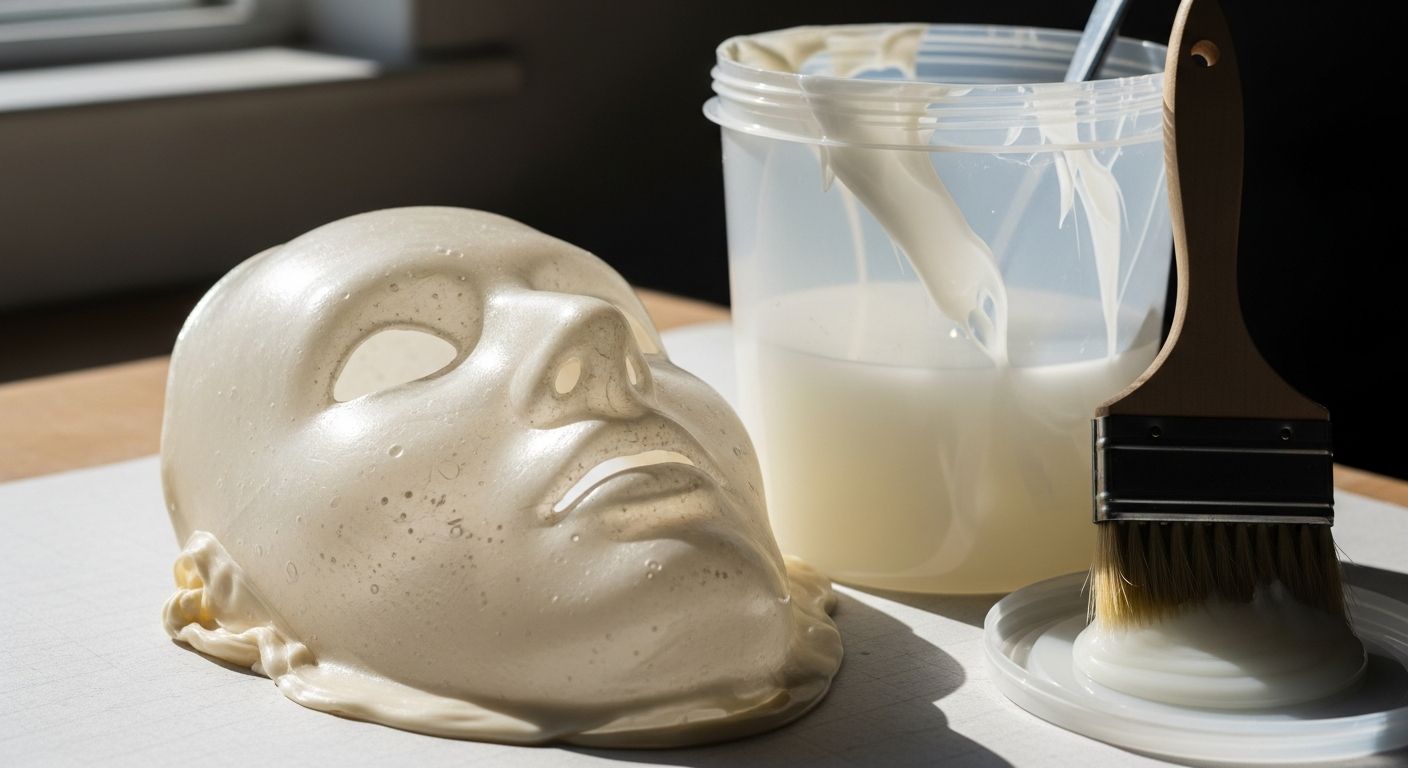
Latex is the classic, beginner friendly choice and the backbone of countless Halloween and creature masks. It is poured or built up in a mould, cures into a light flexible skin, and takes paint well.
The pros
- Affordable and widely available
- Light and comfortable to wear
- Forgiving for beginners and easy to repair
- Holds fine sculpted detail
The cons
- Degrades over time, especially in sunlight and heat
- Can cause reactions for anyone with a latex allergy
- Less realistic than silicone up close
Silicone
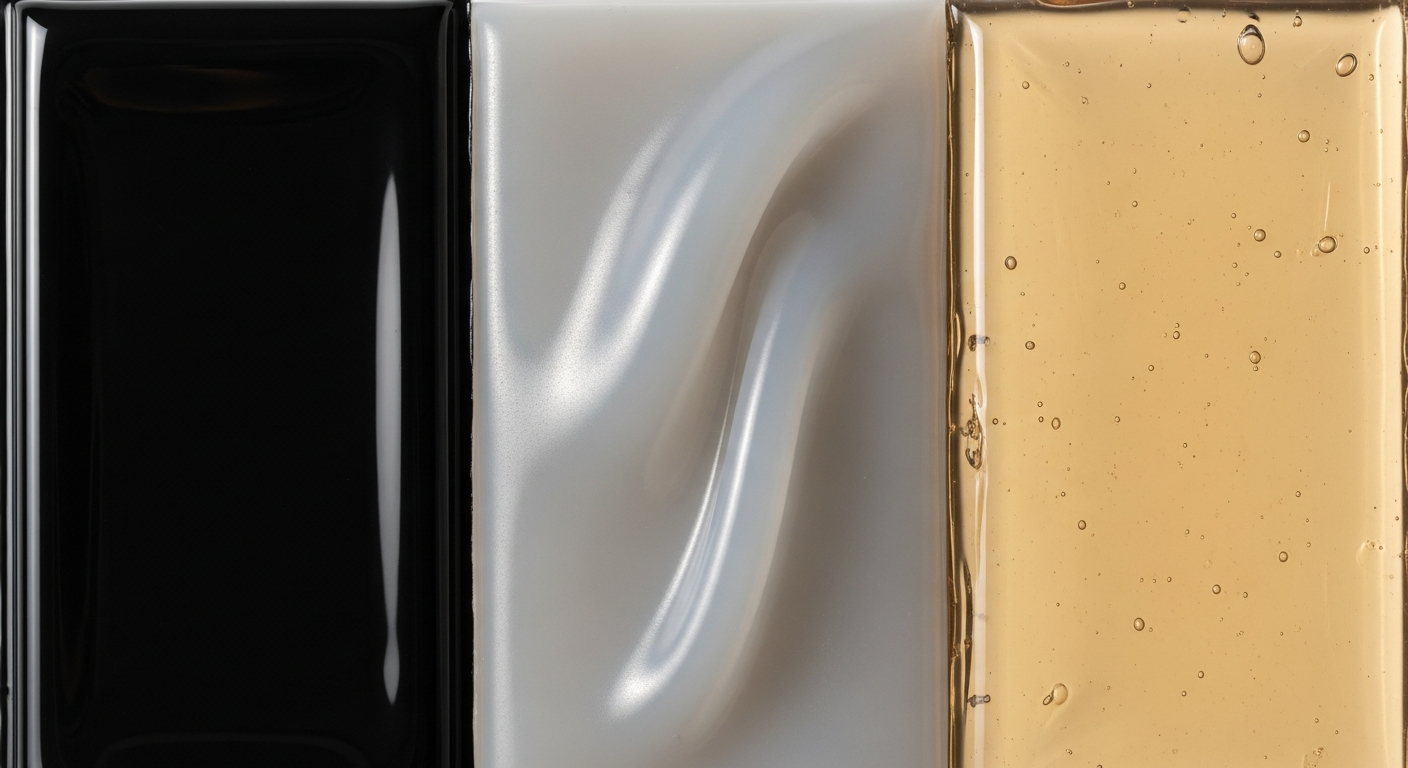
Silicone is the industry standard for high end, screen ready pieces. Platinum cure silicone in particular produces a translucent, skin like surface that is hard to beat for realism, which is why it is used so heavily in film and prosthetics.
The pros
- Exceptional realism and translucency
- Extremely durable and long lasting
- Tear resistant and reusable
The cons
- Expensive compared to latex
- Heavier, which matters on full head pieces
- Less forgiving, mixing ratios and contamination must be controlled carefully
Gelatin
Gelatin sits between the two. It melts, pours into a mould and sets quickly, which makes it excellent for small prosthetic appliances and fast effects work. It encapsulates easily and gives a lovely soft edge.
The pros
- Inexpensive and reusable, you can melt it down and recast
- Soft, realistic edges for appliances
- Skin friendly and safe to work with
The cons
- Fragile and heat sensitive, it can sweat or sag
- Not suited to full, durable masks
- Short working life once applied
Which should you choose?
As a rule of thumb, choose latex if you are starting out or making durable wearable masks on a budget, silicone if realism and longevity matter most and the budget allows, and gelatin for small appliances and quick effects. Whatever you pick, weight, flexibility and how the piece will be worn should drive the decision as much as the look.
Every mask in the collection is cast in materials chosen for the specific design, so it holds up under stage and camera lighting and lasts. If you are planning a commission and are unsure which material suits it, just ask.
Related reading
- Resin Safety: The Complete Guide for Mask Makers and Resin Crafters
- Mould-Making for Mask Makers: Plaster, Silicone and 3D-Printed Moulds
Prefer to wear one rather than make one? Browse the collection or start a custom commission.
From our workshop
Prefer to buy rather than make? Each of these is genuinely handmade to order in our UK studio:
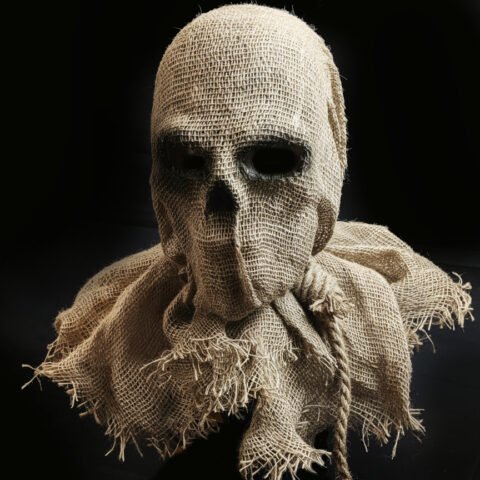
- Scarecrow Mask: full-head burlap & latex scarecrow mask
- Skull Scarecrow Mask: skull-meets-scarecrow full-head mask


Comments 0
Log in to leave a comment.