
Mould-Making for Mask Makers: Plaster, Silicone and 3D-Printed Moulds

Behind almost every cast mask is a good mould. Get the mould right and casting becomes repeatable and clean. Get it wrong and you fight leaks, air pockets and broken originals. This guide covers the three approaches mask makers use most, plaster, silicone and 3D-printed moulds, along with the mistakes that trip people up.
Choosing your mould type
Plaster is cheap, rigid and excellent for latex slush casting. Silicone is flexible, captures fine detail and releases complex shapes that would lock into a rigid mould. 3D-printed moulds give precise, repeatable shapes but bring their own sealing challenges. Many pieces use a combination.
Plaster moulds
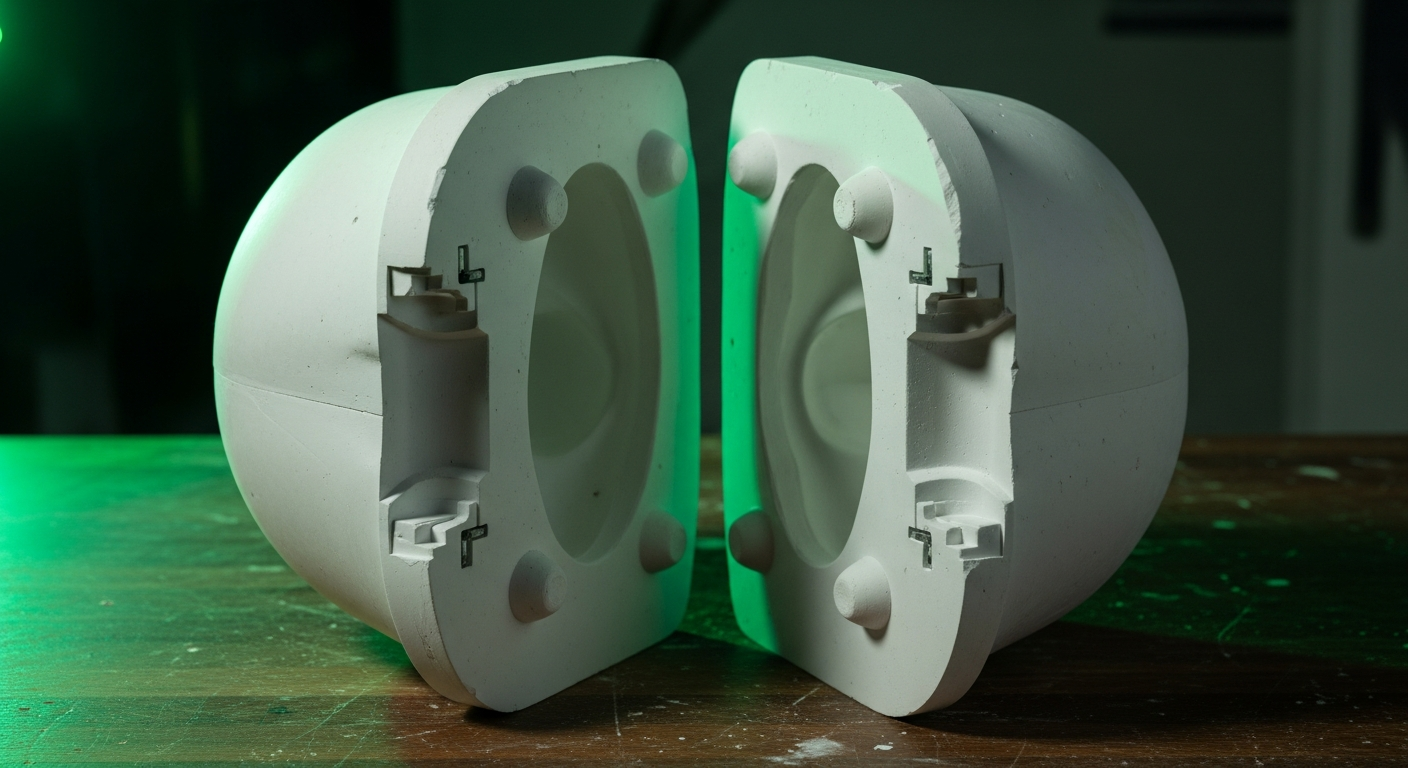
For durable plaster moulds, reach for a hard casting plaster such as Herculite or Ultracal rather than soft craft plaster. Build the walls thick enough to survive repeated casts, add reinforcement on larger moulds, and cut relief holes so trapped air and excess material can escape.
Making a plaster mould from a latex original
You can mould directly from an existing latex mask or hand. Seal and release the original well so the latex lifts out cleanly without tearing, and work in sections if the shape has undercuts. The goal is easy removal of the original with all the surface detail left behind in the plaster.
Common plaster mistakes to avoid
- Using the wrong clay for the sculpt, which can melt or stick. Choose an oil based clay that holds up to plaster.
- Thin, brittle walls that crack after a few pulls
- Skipping relief holes, which traps air and ruins casts
- Rushing the cure, which weakens the whole mould
Silicone moulds
Silicone is the go to for duplicating a mask or capturing intricate detail. Brush-on silicone builds up in layers over a sculpt and suits one off pieces. A two-part block or jacket mould works for cleaner production runs, and small injection moulds are handy for repeat appliances. Silicone flexes on demoulding, so it handles undercuts that plaster cannot.
3D-printed moulds
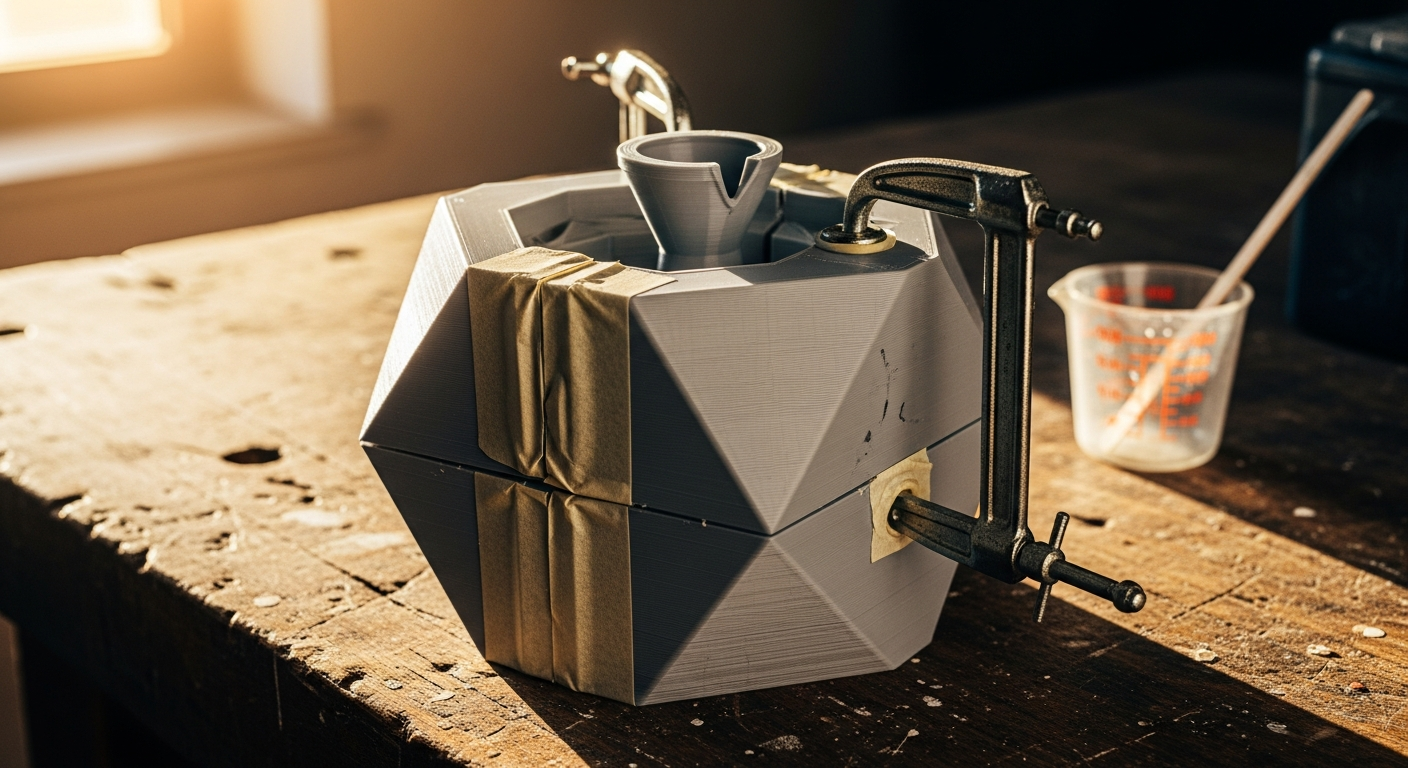
3D-printed moulds are precise and repeatable, but printed layers leak resin if they are not sealed. Proven options include a thin coat of silicone, designed gasket channels, hot glue along seams, masking tape barriers and clay dams at the parting line. Test on a small pour before committing to a full cast.
Degassing without a vacuum chamber
No pressure pot or vacuum chamber. You can still reduce bubbles. Pour in a thin stream from height to pop air on the way down, brush a first detail coat into the deepest areas, tap and vibrate the mould as it fills, and work slowly. For thin or detailed structures, build up in stages rather than one thick pour. Resins such as the SmoothCast range are forgiving for this kind of work.
A note on recasting and ethics
Moulding your own sculpts is the craft. Moulding and recasting someone else’s original work to sell is not. Keep your moulds to your own pieces or properly licensed designs, and the community stays a good place to learn.
Final tips
- Always add registration keys so mould halves line up
- Release agent on every pull, even with silicone where needed
- Label and store moulds flat so they keep their shape
- Keep notes on what worked, mould making is iterative
If a project is beyond your current setup, a commission can take it from concept to a finished cast piece without you needing the full mould room.
Related reading
- Mask-Making Materials Explained: Latex vs Silicone vs Gelatin
- Resin Safety: The Complete Guide for Mask Makers and Resin Crafters
Prefer to wear one rather than make one? Browse the collection or start a custom commission.
From our workshop
Prefer to buy rather than make? Each of these is genuinely handmade to order in our UK studio:
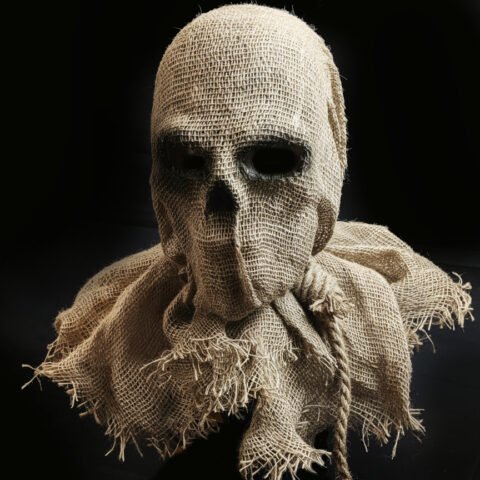
- Skull Scarecrow Mask: skull-meets-scarecrow full-head mask
- Skull Mask: hand-painted resin skull half-mask





Comments 0
Log in to leave a comment.